
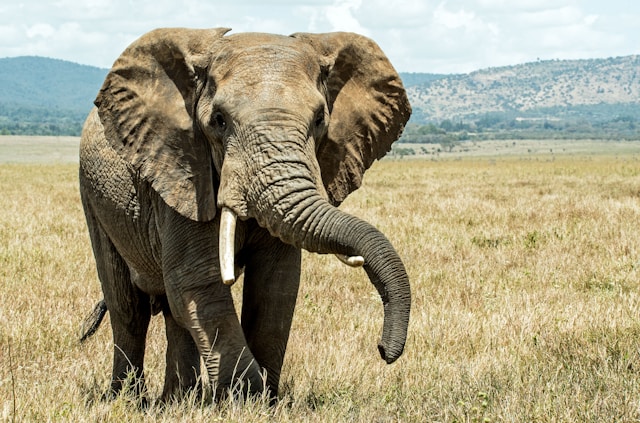
Planning a journey to the eastern stretches of the African continent is an exercise in timing. The landscape is a living organism, dictated by the arrival of the rains and the subsequent movement of millions of hoofed mammals. Understanding these cycles is the difference between a standard vacation and a transformative expedition.
The Great Migration: A Year-Round Cycle
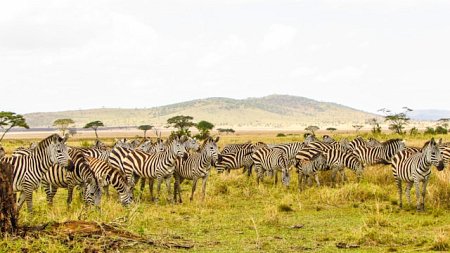
There is a common misconception that the Great Migration is a single event. In reality, it is a perpetual loop between the Serengeti and the Maasai Mara. Depending on the month, the drama shifts from the calving season in the south to the treacherous river crossings in the north. Professional east african tours focus on positioning travelers at the right point of this “circle of life,” ensuring an authentic view of the struggle for survival that defines the plains.
The “Green Season” Advantage
While the dry season is popular for its ease of wildlife spotting, the “Green Season” (the rainy period) holds a secret charm for the seasoned traveler. The dust settles, the air clears, and the landscape erupts in a vibrant, photogenic green. This is also the time when migratory birds fill the skies, and the birth of new fawns and calves brings a different kind of energy to the bush. It is a quieter, more intimate time to explore, often with fewer crowds.
Specialized Ecosystems
Beyond the famous plains, the region boasts unique niches:
-
The Albertine Rift: A hotspot for endemic species found nowhere else on Earth.
-
The Nile’s Source: Offering a different perspective on water-based ecosystems and birdlife.
-
Montane Forests: Where the air is cool and the biodiversity is vertical rather than horizontal.
Sustainability and the Future of Travel
The future of these landscapes depends entirely on low-impact, high-value tourism. By choosing itineraries that respect the delicate balance of these ecosystems, travelers contribute directly to the conservation efforts that keep these wild places intact. It is about leaving a footprint that supports, rather than erodes, the natural heritage of the region.

0 Comments