
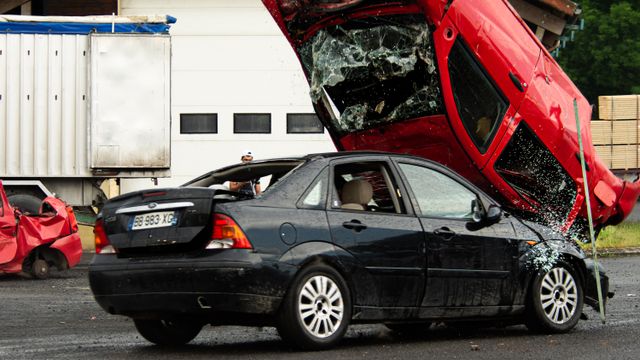
A car accident happens in seconds, but the confusion it leaves behind can last for weeks. Between calling for help, checking on passengers, and waiting for police, most people don’t think about their phone as evidence. Yet today, your smartphone often becomes one of the strongest pieces of proof in a car accident claim. This isn’t just about snapping a few photos of the damage. It’s about understanding what your phone quietly records without you even asking it to, and how that information can shape the outcome of your case. Here’s what most guides never mention.
The Photos You Take Matter More Than You Think
Right after a crash, your instinct might be to snap a few quick pictures of the dented bumper and move on. But smart accident photos do more than show damage. Every photo your phone takes carries hidden details called metadata. This includes the exact time, date, and even the GPS location where the picture was taken. Insurance adjusters and lawyers use this data to confirm when and where an accident really happened, which can strengthen your claim if the other driver tries to dispute the timeline.
This is one reason it helps to talk to a lawyer early, before evidence gets lost or overwritten. Firms like Bailey and Galyen Fort Worth work with accident victims to gather this kind of digital proof alongside traditional evidence like police reports and witness statements. A lawyer can also request traffic camera footage or data from the other driver’s vehicle before it disappears. Many people wait too long to reach out, and by the time they do, useful evidence has already been deleted or overwritten by newer files.
So, what should you actually photograph? Start wide, then get close. Take a few shots that show the whole scene, including the position of both vehicles, traffic signs, and skid marks. Then move in for close ups of the damage, license plates, and any visible injuries. Try to capture the weather and road conditions too, since these details often matter more than people realize when it comes to fault.
When Your Memory Doesn’t Match the Evidence
Here’s something that catches a lot of people off guard. After a crash, your brain often struggles to piece together exactly what happened. This isn’t unusual, and it isn’t a sign that you’re lying or confused on purpose. Stress hormones flood the body during a collision, and this can affect how memories are formed and stored. In fact, memory gaps after an accident are common enough that they can directly affect your case if you’re not prepared for them.
This is exactly why photo evidence becomes so valuable. When your own recollection is shaky, the timestamps and location data embedded in your photos can help fill in the blanks. They act like a quiet backup witness that doesn’t get tired, stressed, or confused. If your account of events shifts slightly during questioning, which is completely normal after trauma, your photo evidence can support your version of events instead of being used against you.
It also helps to write down what you remember as soon as you can, even before you leave the scene if possible. Voice memos on your phone work well for this too, and they carry their own timestamp. Combining a personal account with automatically recorded photo data gives you two independent sources that back each other up, which is far stronger than relying on memory alone.
Protect Yourself Before You Need To
There’s a flip side to all this. The same location data that helps your case can also be used against you if you’re not careful about what you share. Posting photos on social media right after an accident can unintentionally reveal your location, your activities, or even suggest you were somewhere you shouldn’t have been. Insurance companies sometimes review public posts looking for anything that contradicts a claim.
Before you post anything, it helps to understand the risks of geo-location tied to sharing photos online, since some platforms strip location data automatically while others do not. Checking your phone’s settings ahead of time, rather than during a stressful moment after a crash, puts you in a much better position.
A simple habit works well here. Keep location services turned on for your camera so your evidence stays accurate, but avoid posting those same photos publicly until your case is resolved. Save them, back them up, and share them only with your attorney or insurance adjuster. This small step protects both your privacy and the strength of your claim.
The next time you’re involved in a fender bender or something more serious, remember that your phone is doing more work behind the scenes than you might realize. Treat it like the quiet witness it is, and it might just be the detail that makes your case airtight.

0 Comments