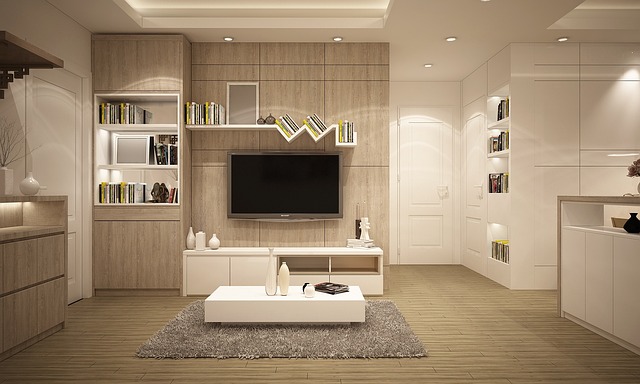




Choosing the right carpet is a significant decision, one that affects the comfort, acoustics, and aesthetic of your living space for years to come. In a world of fleeting trends, a well-chosen carpet offers a sense of permanence and warmth, transforming a house into a home. It is more than just a floor covering, it is a foundation for your interior design, a canvas upon which the rest of your decor is painted.
Understanding Carpet Fibre and Texture
The journey to the perfect carpet begins with understanding the materials available. The fibre you select dictates durability, feel, and maintenance requirements. Wool carpet, the undisputed classic, remains a favourite, particularly in British homes. Its natural resilience, luxurious feel underfoot, and superior insulation properties make it an excellent choice for living rooms and bedrooms. While it comes at a premium, its longevity and inherent resistance to crushing often justify the initial investment.
Synthetic options, such as nylon carpet or polypropylene, offer superb durability and stain resistance, making them ideal for high-traffic areas like hallways and stairs. Polypropylene, for example, is remarkably easy to clean and is highly moisture-resistant, a real benefit for busy family homes with inevitable spills. Blended carpets, combining natural and synthetic fibres, seek to offer the best of both worlds, balancing the softness of wool with the hard-wearing qualities of manmade materials.
Beyond the material, the texture dramatically influences the look and feel. Loop pile, where the yarn is looped and uncut, creates a tight, durable surface popular for its longevity. Cut pile, where the loops are cut, results in an upright tuft, offering a softer, more luxurious texture, ranging from the dense, velvet feel of Saxony to the casual, textured look of a frieze carpet. Considering the function of the room is key; a deep, plush pile might be wonderfully cosy in a bedroom, but impractical for an entrance hall.
Colour and Pattern: Setting the Right Mood
The colour of your carpet plays a pivotal role in the room’s overall atmosphere and perceived size. Lighter colours, like creams or pale greys, can make a small room feel larger and brighter, reflecting natural light. However, they are naturally more prone to showing dirt and require more frequent cleaning, a point worth considering before purchasing. Conversely, darker colours or those with a flecked or mottled pattern, such as a Berber twist carpet, are more forgiving of daily wear and tear, hiding small marks and debris effectively.
Patterned carpets are making a strong comeback, moving beyond simple stripes to intricate geometric designs or subtle textures that add visual interest without overwhelming the space. A patterned runner on a staircase, for instance, can be a striking design feature. When selecting a colour, always request a decent sample and view it in the actual room under different light conditions, both natural daylight and evening lamp light, as colours can shift dramatically. It is a detail that is often overlooked but essential for long-term satisfaction.
Ensuring a Flawless, Professional Installation
The quality of the carpet itself is only half the story; professional installation is paramount to achieving a long-lasting and aesthetically pleasing finish. A poorly fitted carpet can quickly start to buckle, wear unevenly, or expose trip hazards, regardless of how expensive the original material was. A professional installation ensures correct underlayment, which is crucial for comfort, insulation, and extending the life of your new flooring.
A skilled fitter will take precise measurements, manage joins seamlessly, and properly stretch the material across the entire floor area. This stretching is vital to prevent wrinkling and rippling over time. For those seeking durable, high-quality residential carpet and a perfect finish, it is always advisable to hire experts. It pays to check for experienced local carpet fitters near me to ensure the job is done to the highest standard, delivering on the promise of your investment. You can find comprehensive product guides and useful information on selecting the right type of material for your home on the Patchwork Flooring website.
Maintenance and Care for Longevity
To protect your investment, regular maintenance is non-negotiable. Vacuuming frequently, particularly in high-traffic areas, prevents dirt and grit from embedding themselves deep into the fibres, where they can cause premature wear. For wool or loop piles, a vacuum with an adjustable height setting or one without a powerful rotating brush is often recommended to avoid damage.
Addressing spills immediately is perhaps the most important rule of carpet care. Blot the affected area gently with a clean cloth, working from the outside of the stain inwards to prevent spreading. Always check the manufacturer’s cleaning recommendations, especially for stain removal, as different fibres react differently to chemical cleaners. While professional deep cleaning every 12 to 18 months can revitalise and prolong the life of your carpet, consistent, careful daily habits are the true secret to maintaining its beauty and resilience. With careful selection and proper maintenance, your chosen carpet will provide comfort and style for many years.
0 Comments